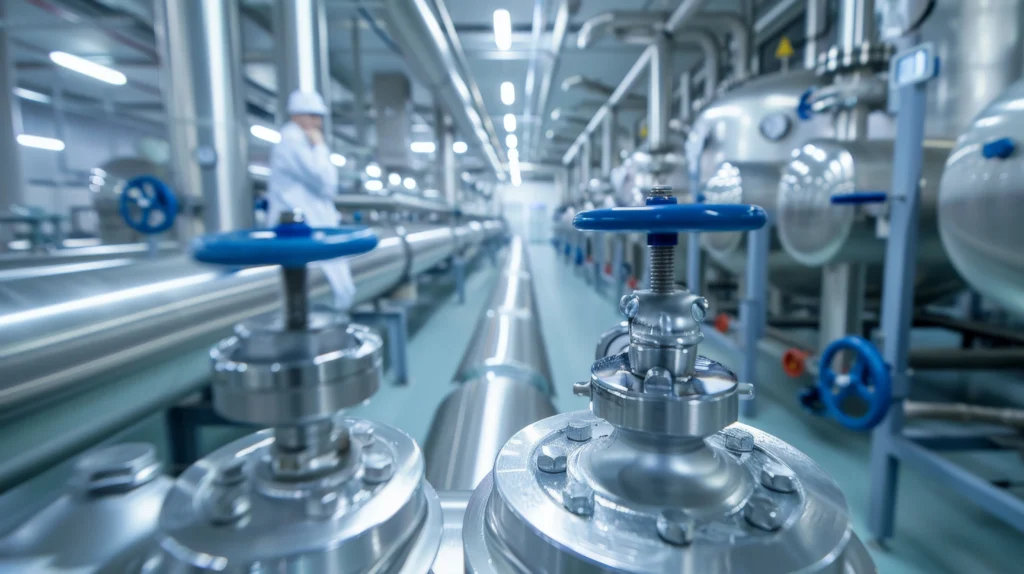
Chemical Processing & Blending Industry in Singapore
Conditions Chemical Plants Work With in Singapore
Valves for Handling Aggressive Chemical Media in Singapore
Singapore’s chemical sector spans petrochemicals, speciality chemicals, base oils and blending operations serving regional and export demand. These plants run on tight turnaround schedules with strict process safety and emissions expectations, so valves have to hold sealing performance under corrosive media and demanding conditions. Valvewerkz supplies valves selected for material compatibility, emissions control and long service life across transfer, reaction and utility duty.
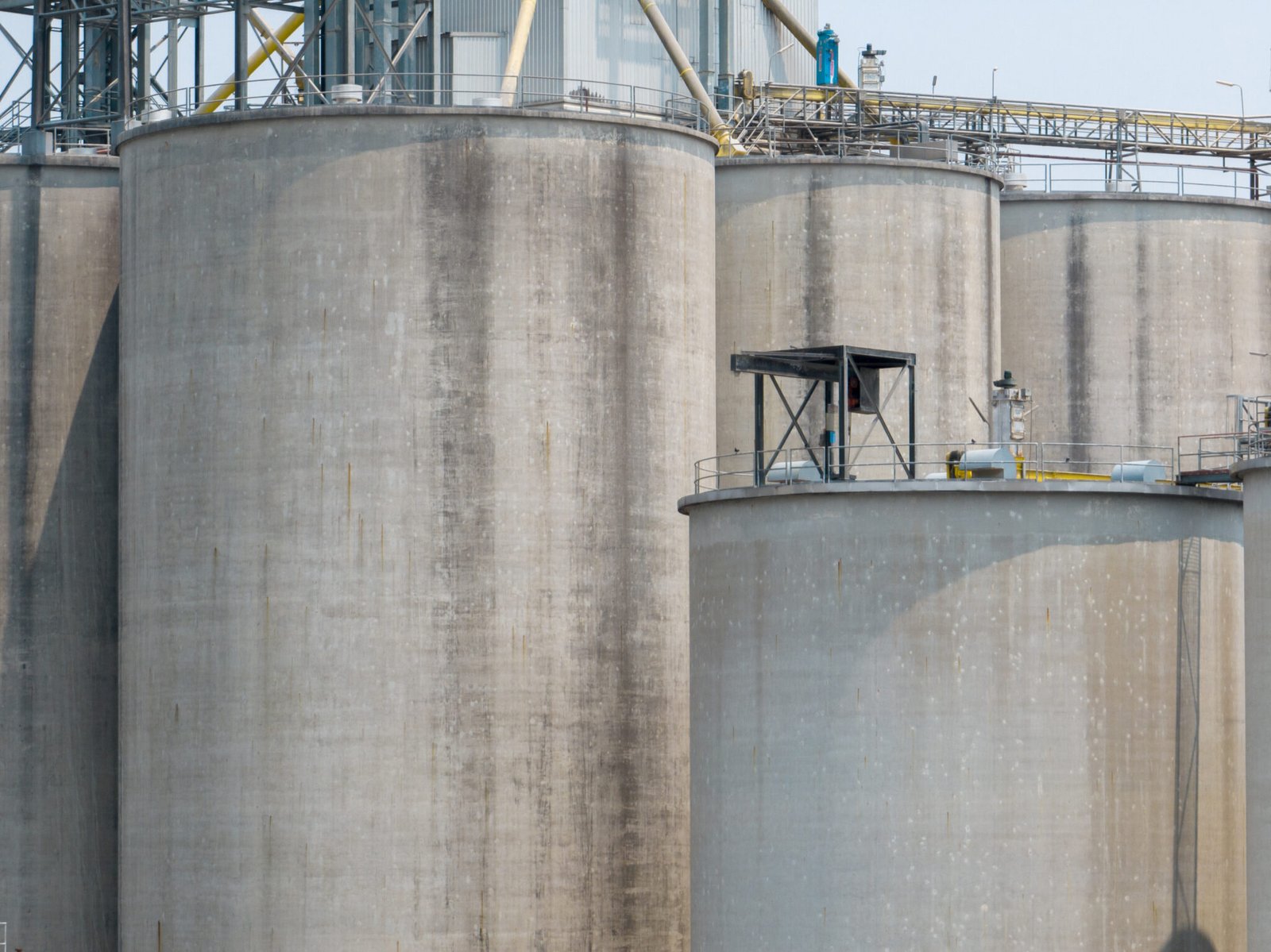
Transfer & Blending Lines
Firm shutoff and steady control for acids, solvents, feedstocks and finished blends moving between tankage and process.
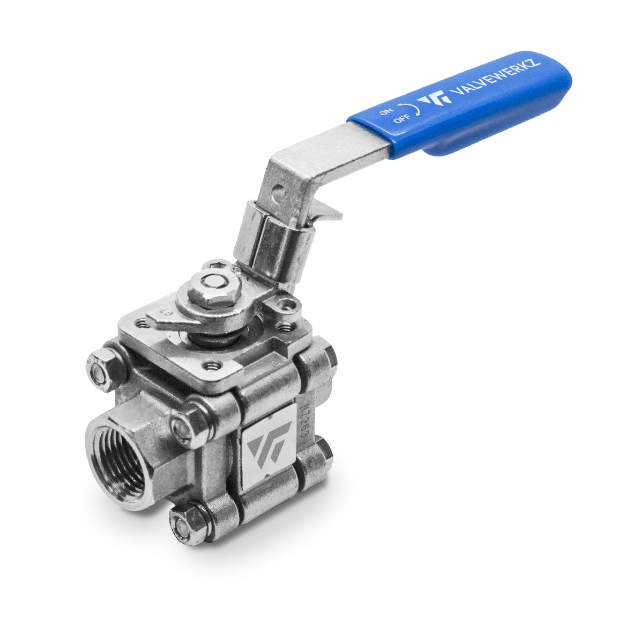
- Ball Valves (10, 20, 50, 80, 90, 203 Series)
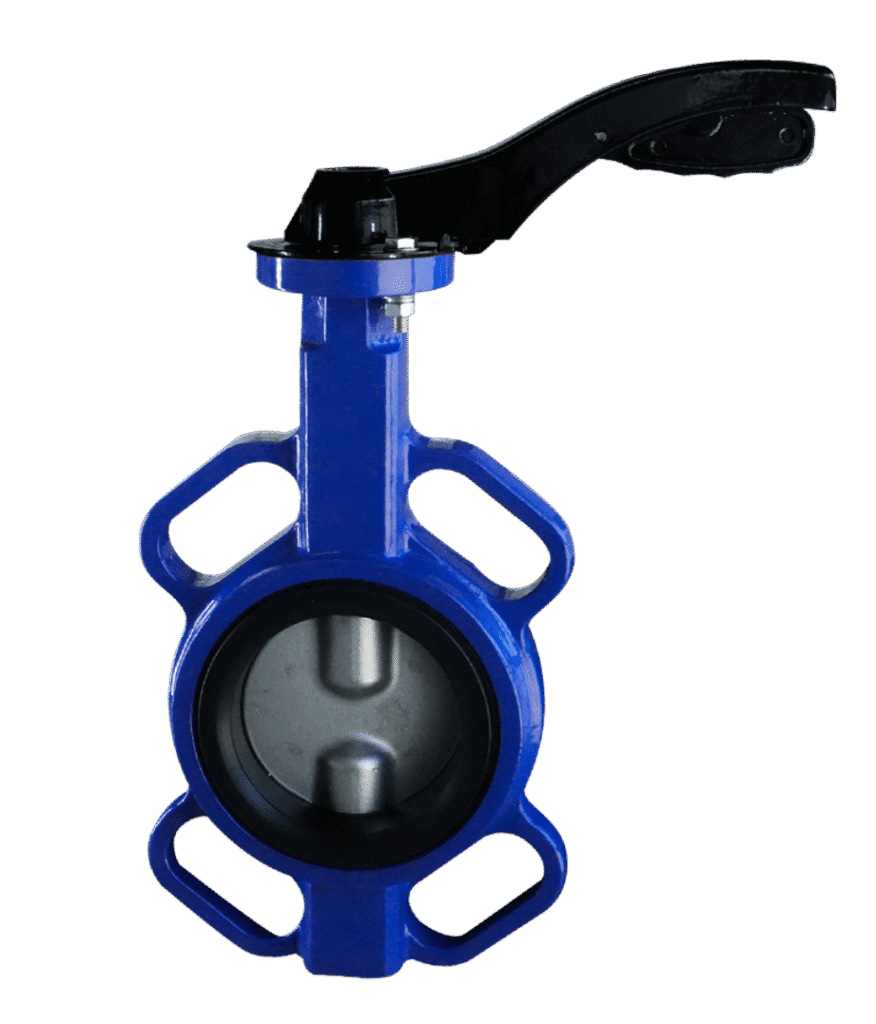
- Butterfly Valves (BU25, BU26 Series)
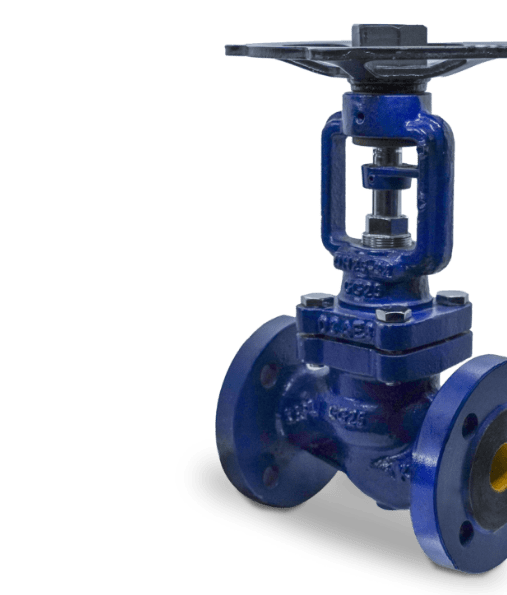
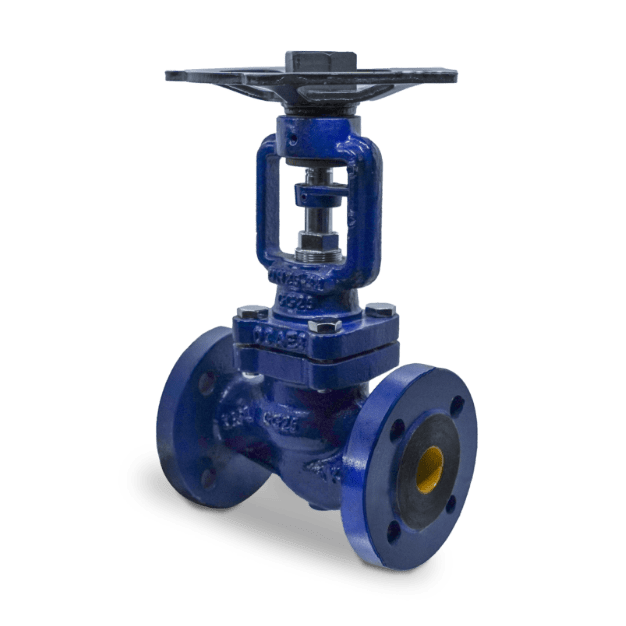
- Bellow Seal Globe Valves (GL25, GL26 Series)
- Check Valves (DC, SC, DP Series)
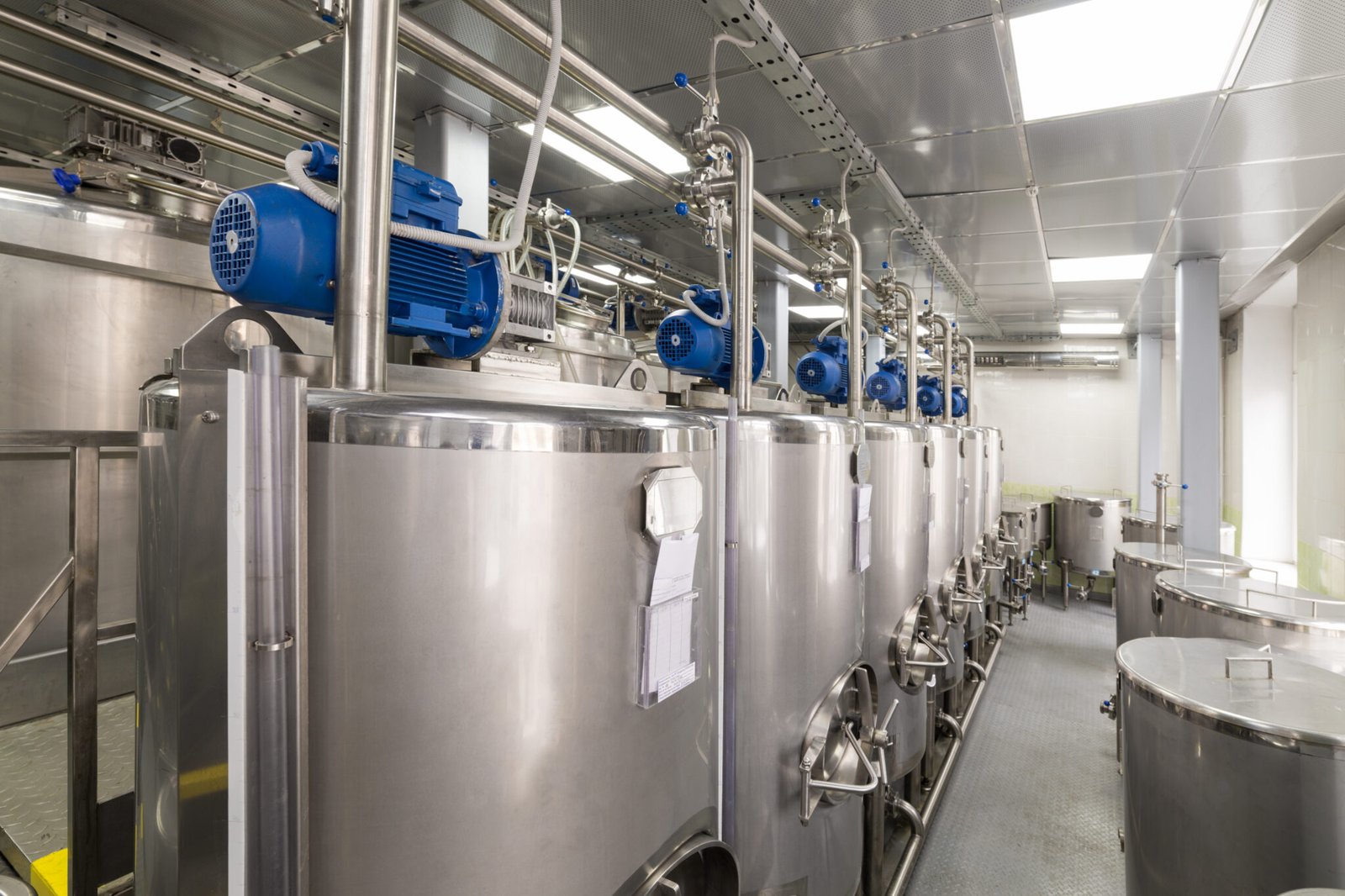
Reaction & Processing Units
Hard-wearing valves for reactors, mixers and batch operations where duty cycles are frequent and conditions vary.
- Ball Valves (50, 90, 80, 203 Series)
- Butterfly Valves (BU25, BU26 Series)
- Bellow Seal Globe Valves (GL25, GL26 Series)
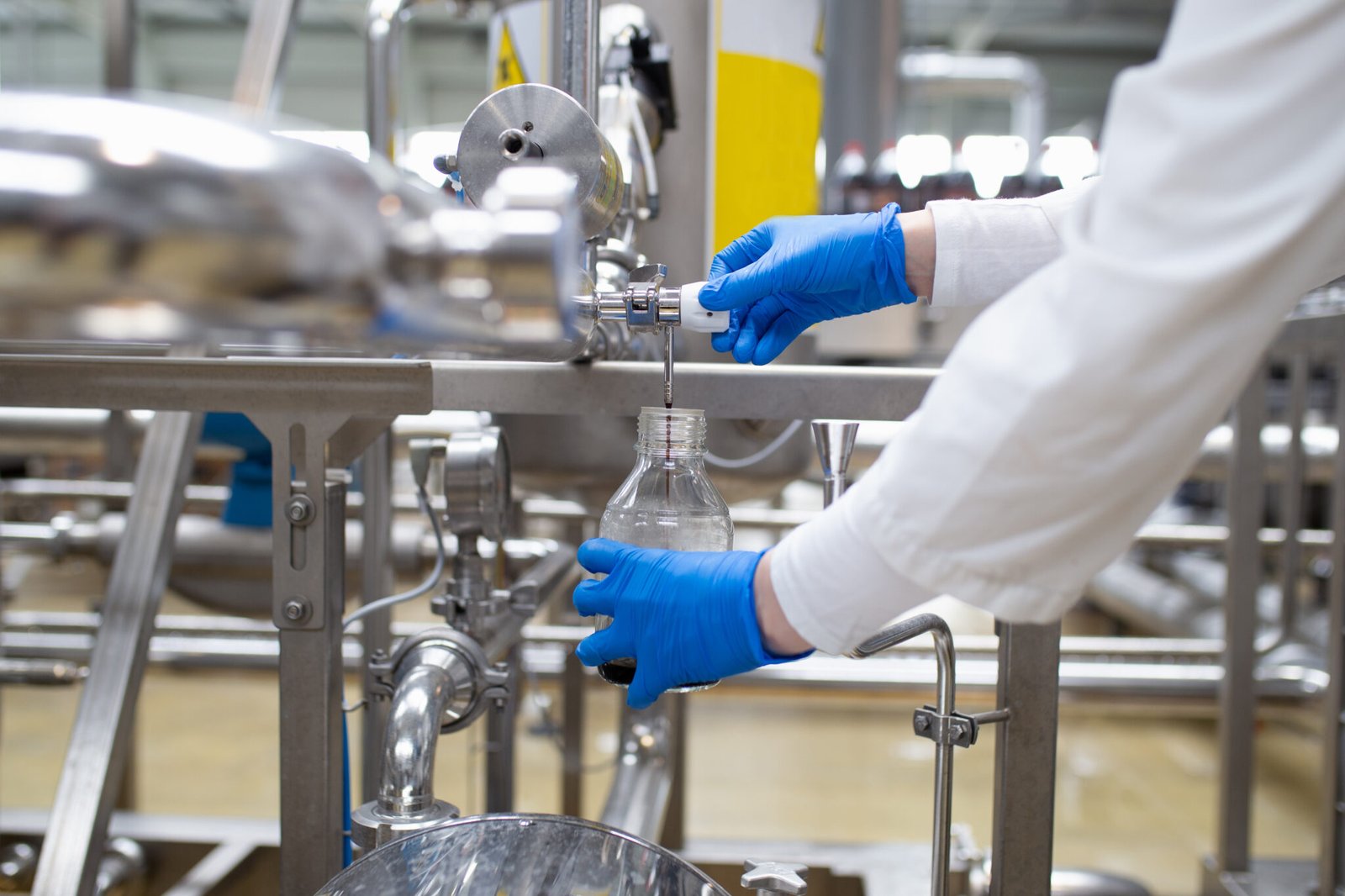
High-Purity & Corrosive Media Handling
Lined and corrosion-resistant options for acids, alkalis, hazardous chemicals and purity-sensitive product streams.
- Ball Valves (50, 90, 80, 203 Series)
- Butterfly Valves (BU25, BU26 Series)
- Bellow Seal Globe Valves (GL25, GL26 Series)
- Diaphragm Valves
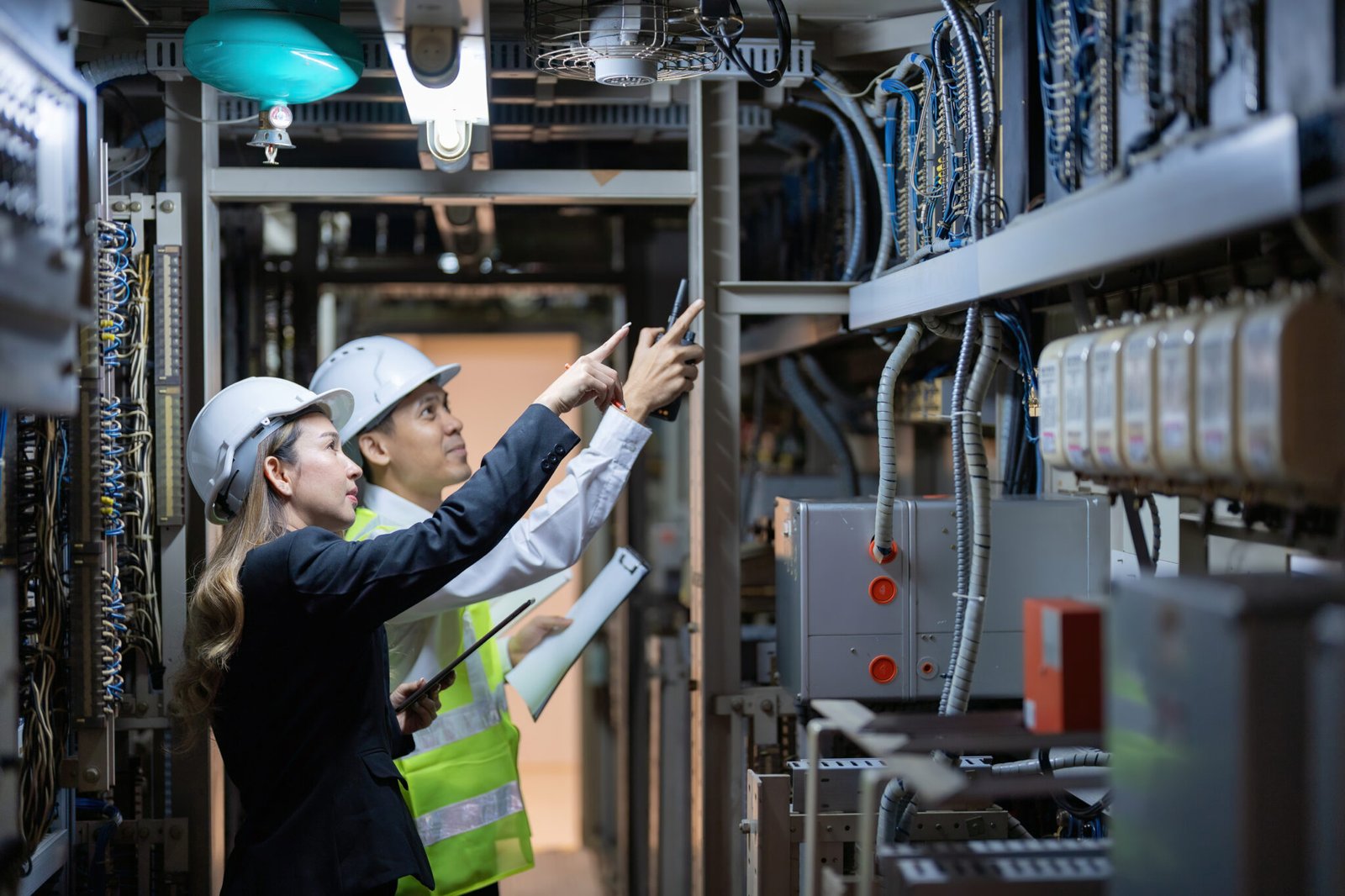
Utilities & Support System
Control across the water, steam and compressed air services that keep chemical production running.
- Ball Valves (50, 90, 80, 203 Series)
- Butterfly Valves (BU25 Series)
- Bellow Seal Globe Valves (GL25, GL26 Series)
- Strainers for pump and equipment protection
Valve Solutions for Chemical Processing & Blending in Singapore
Why Makes Valvewerkz Different
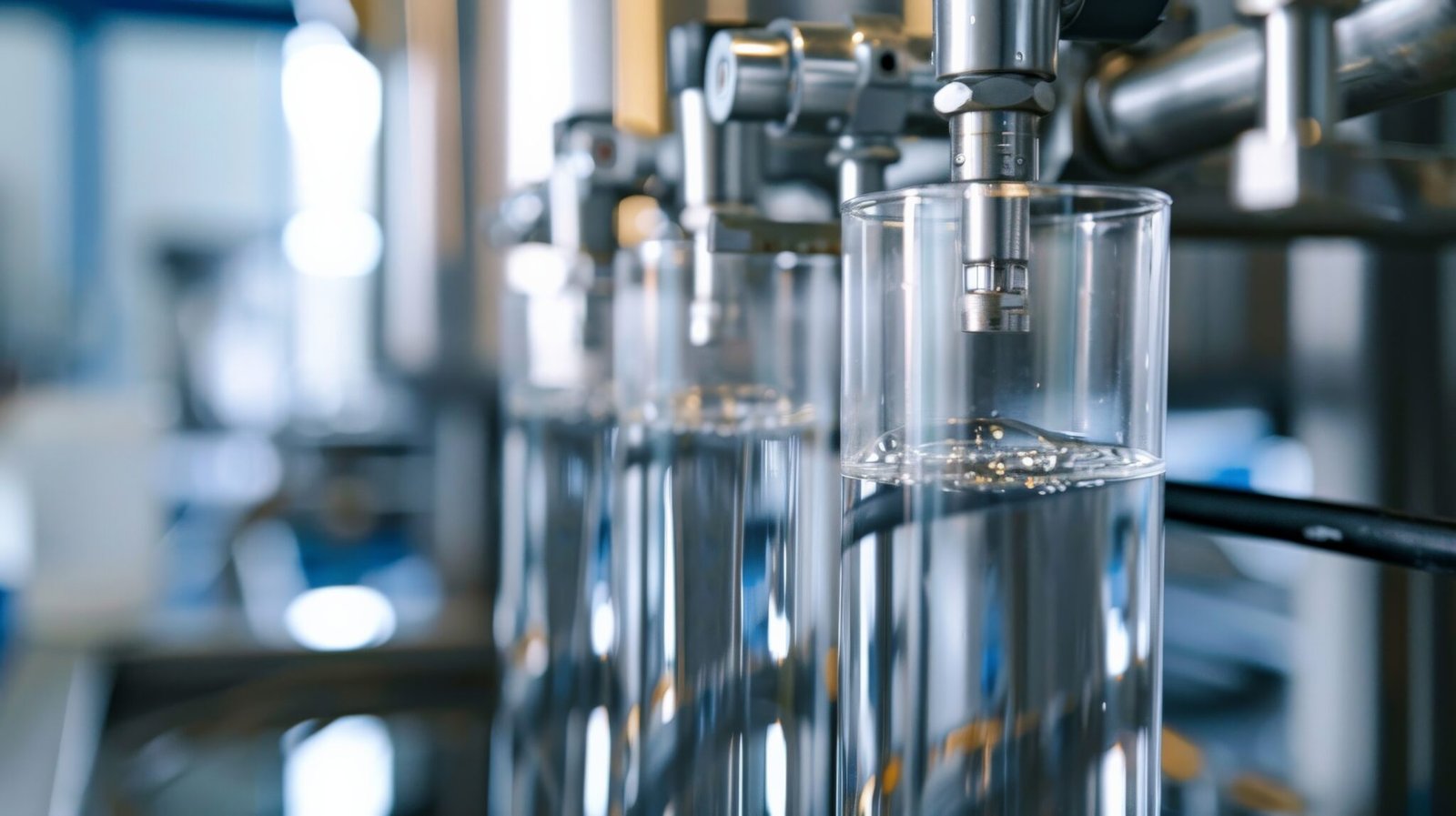
Valvewerkz supplies valves built for controlled fluid movement, accurate dosing, consistent mixing and straightforward utility integration across chemical processing and blending operations in Singapore.
- Cleanroom-compliant designs for purity and reliability
- Material selection matched to corrosive, hazardous media, and low particle emission
- Proven sealing technology and clean designs for high-purity gases and liquids
- Technical support and stock availability for Singapore and Southeast Asia
Relevant Products in Other Industries
Valve Solutions for Water Treatment & Utilities in Singapore
Products from the water treatment range, covering filtration, chemical dosing, sludge handling and used water duty across municipal and industrial systems in Singapore.
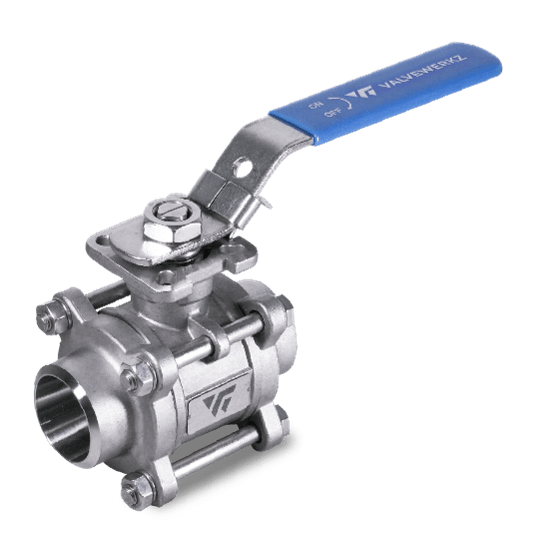
Ball Valves
90 Series
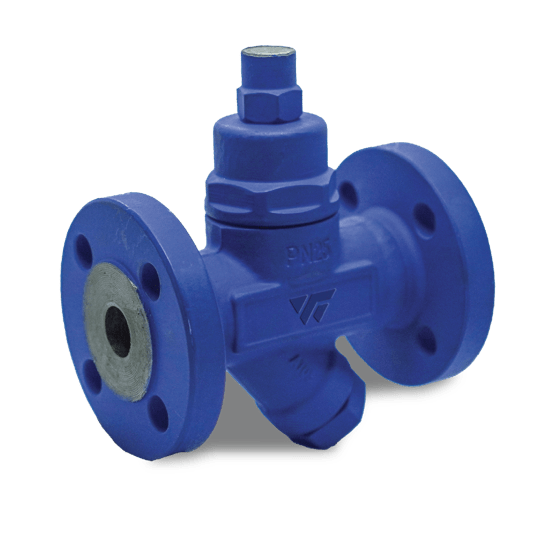
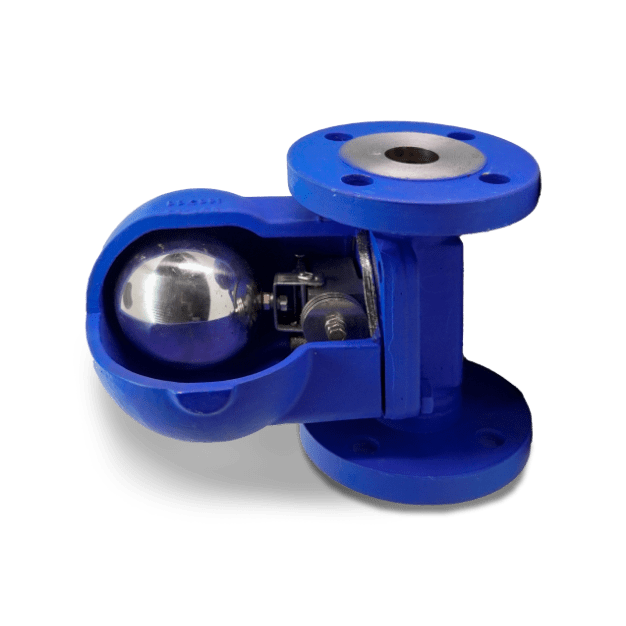
Steam Traps
ST62 Series
Bellow Seal Globe Valves
GL25 Series
Butterfly Valves
BU25 Series
Ball Valves
Tight shutoff, low torque, high durability. Ideal for critical on-off control.
Steam Traps
Efficient condensate removal that protects your heat exchange and process systems.
Frequently Asked Questions
Discover common questions about valves for chemical processing and blending industry in Singapore.
What valves are used in chemical processing and blending plants in Singapore?
Chemical processing and blending plants use ball valves, butterfly valves, bellows seal globe valves, diaphragm valves, check valves and safety relief valves, supported by strainers and steam traps on utility circuits. Ball valves handle transfer and blending isolation, bellows seal globe valves cover emissions-sensitive and throttling duty, diaphragm and lined valves handle aggressive acids and alkalis, and check valves protect pumps and prevent cross-contamination between blend streams.
What regulations apply to valves in Singapore chemical plants?
Plants holding threshold quantities of dangerous substances are regulated as Major Hazard Installations under the Workplace Safety and Health (Major Hazard Installations) Regulations 2017, administered by the Major Hazards Department, a joint MOM, NEA and SCDF body. Operators must prepare and maintain a safety case, and valve integrity in loss-of-containment scenarios forms part of that demonstration. Singapore has no prescriptive leak detection and repair rule equivalent to US EPA Method 21, so low-emission valve specification is driven by operator standards and international type-test certification.
What is a fire-safe valve and when is it required?
A fire-safe valve is a soft-seated valve type-tested to API 607 or ISO 10497 to prove it still seals within defined leakage limits after being burned, usually because a secondary metal-to-metal seat takes over once the soft seat is destroyed. Fire-safe certification is normally specified for hydrocarbon and flammable chemical isolation duty, particularly on emergency shutdown, tank farm and transfer service where a valve failing open during a fire would feed it.
Which valves suit reactor and batch blending duty?
Reactor and batch blending lines need valves rated for frequent cycling, thermal swings and media that changes between batches, which favours ball valves with replaceable seats and butterfly valves on larger low-pressure lines. In this service cycle count matters more than pressure class, because a valve cycled hundreds of times a day wears its seats long before the body approaches its pressure limit. Specify actuator duty cycle and seat material against actual cycles per day.