Semiconductor & Cleanroom Systems Industry in Singapore

Inside Singapore's Semiconductor & Cleanroom Operations

High-Purity Valves for Semiconductor & Cleanroom Systems in Singapore

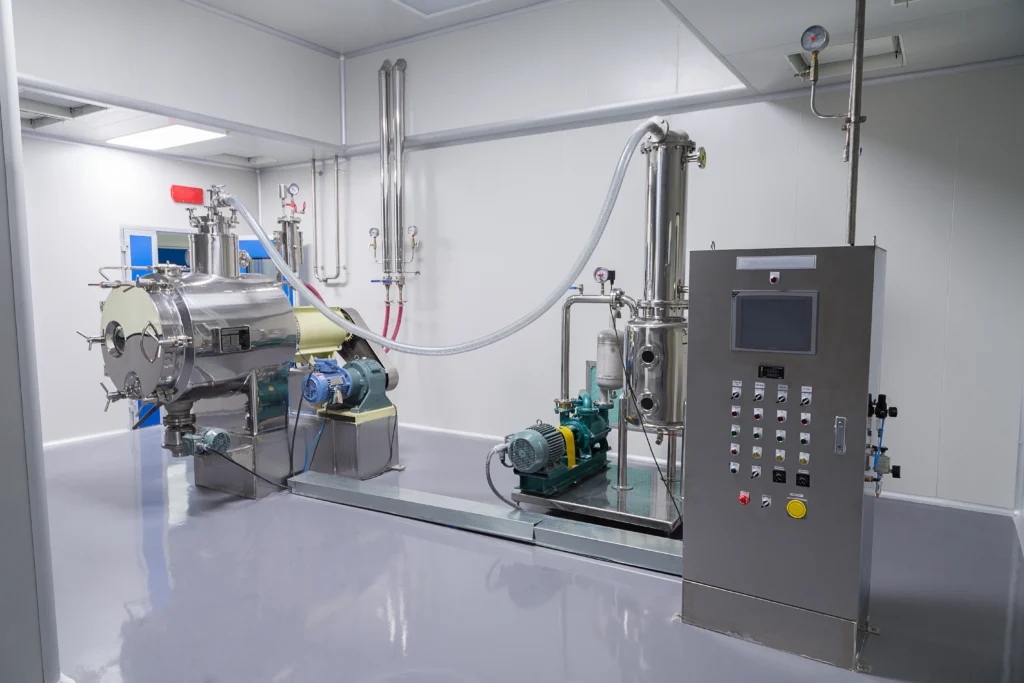
Wafer fabrication, assembly and test operations in Singapore run on tightly governed feeds of ultrapure water, process chemicals, speciality gases and the facility services behind them. Small variations in purity or flow can affect yield, so every wetted component forms part of the contamination control picture. Valvewerkz supplies valves selected for clean media handling, dependable isolation and low particle generation across fabrication areas and controlled cleanroom environments.

Ultra-Clean Water & Chemical Delivery

Sealed flow control for UPW loops and the aggressive chemistries used through wet processing.

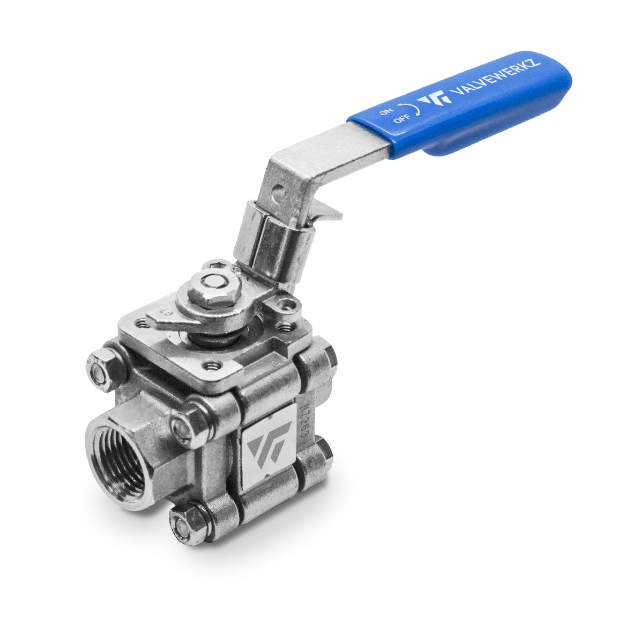
  • Ball Valves (10, 20, 50, 90, 80, 203 Series)
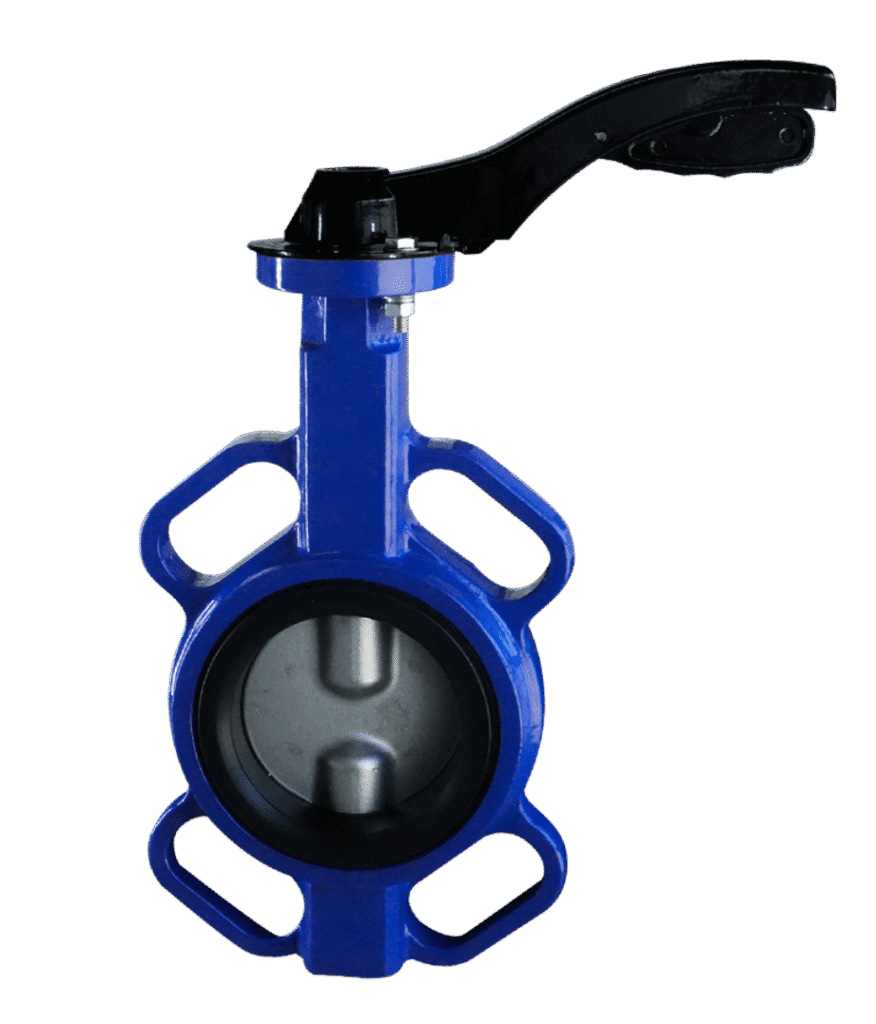
  • Butterfly Valves (BU25, BU26 Series)
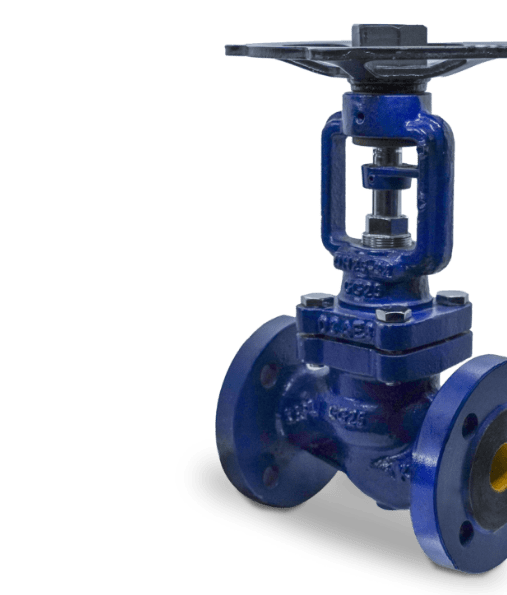
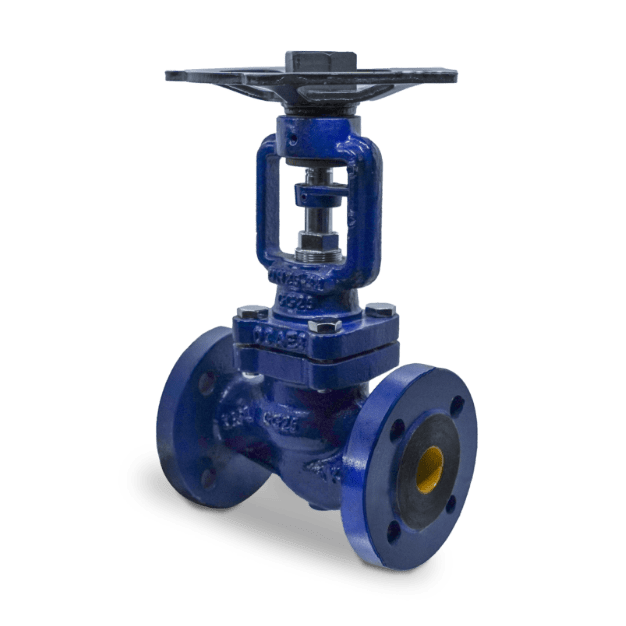
  • Bellow Seal Globe Valves (GL25, GL26 Series)

Process Gas Distribution

Sealing performance for inert gases, speciality gases and vacuum service where permissible leakage is tightly defined.

  • Ball Valves (10, 20, 50, 80, 90 Series)
  • Bellow Seal Globe Valves (GL25, GL26 Series)
  • Check Valves (DC, SC Series)
  • Butterfly Valves (BU26 Series)

Cleanroom Utility Lines

Isolation and control across HVAC, chilled water, compressed dry air and the facility services that hold cleanroom conditions stable.

  • Ball Valves (50, 80, 203 Series)
  • Butterfly Valves (BU25, BU26 Series)
  • Bellow Seal Globe Valves (GL25, GL26 Series)

Chemical Mechanical Planarisation (CMP) & Wet Processes

Corrosion-resistant selection for slurry delivery, wafer cleaning, chemical etching and similar wet bench duty.

  • Ball Valves (50, 90, 80, 203 Series)
  • Butterfly Valves (BU25, BU26 Series)
  • Bellow Seal Globe Valves (GL25, GL26 Series)

Controlled Flow for High-Purity Systems in Singapore

What Makes Valvewerkz Different

Our valves are developed for accurate flow regulation, contamination-sensitive media and the operating conditions found across semiconductor and cleanroom facilities.

Relevant Products in Other Industries

Valve Solutions for Chemical Processing & Blending in Singapore

Products from the chemical processing range, covering corrosive media handling, dosing and reactor duty across blending operations in Singapore.

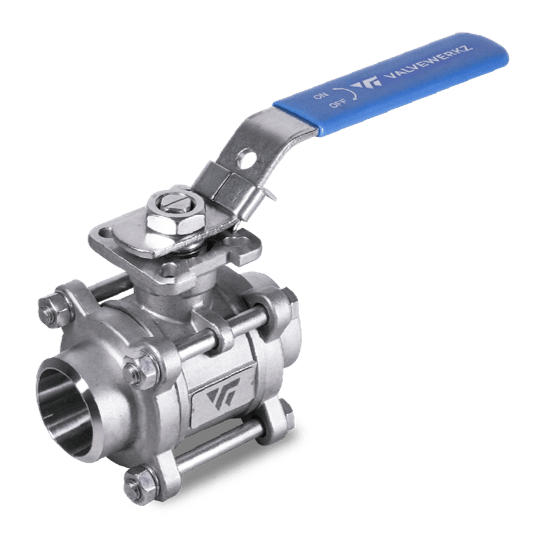
Ball Valves

Tight shutoff, low torque, high durability. Ideal for critical on-off control.

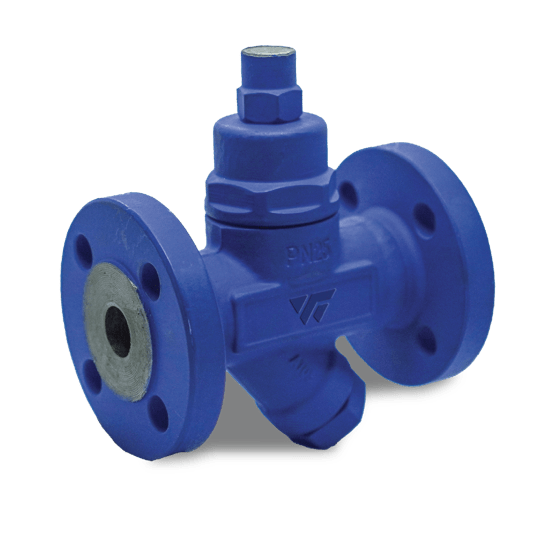
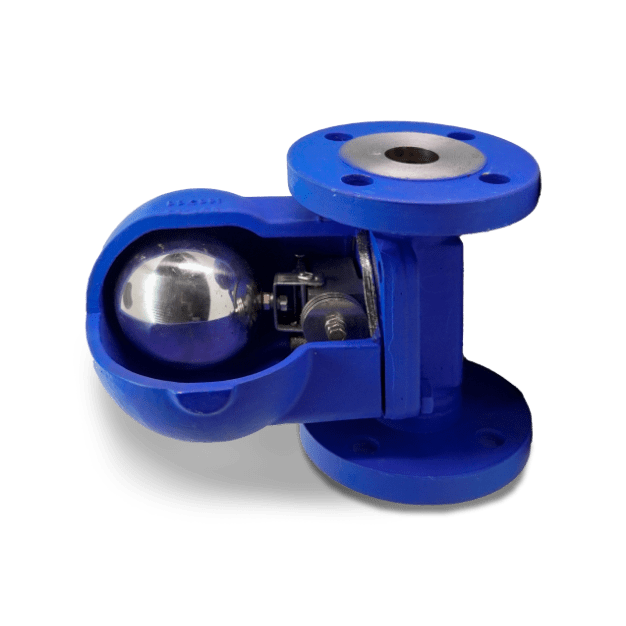
Steam Traps

Efficient condensate removal that protects your heat exchange and process systems.

Bellow Seal Globe Valves

Zero stem leakage for safety, purity and process integrity.

Frequently Asked Questions

Common questions on high-purity valve selection, contamination control and material compatibility for semiconductor and cleanroom facilities in Singapore.

Why is PFA preferred over PVDF or PTFE for wet process valves?

PFA is preferred where chemical breadth and low extractables both matter, because it combines the chemical inertness of PTFE with melt processability, so bodies can be moulded as crevice-free single pieces rather than machined and joined. PVDF is cheaper and mechanically stronger but is attacked by strong bases and shows higher measured leaching into ultrapure water. PTFE is chemically excellent but is typically machined, which constrains the internal geometry achievable.

Valves generate particles at every sliding or rubbing interface, including stem against packing, ball against seat and diaphragm flexing under actuation, and any particle released into an ultrapure water or chemical line travels directly to the wafer. High-purity designs address this by isolating the actuation mechanism from the wetted path, using diaphragm or bellows separation instead of a sliding stem seal, and eliminating dead volumes where particles and stagnant chemistry accumulate.

A zero dead leg valve, also called a zero static valve, places the seat directly at the junction with the main ultrapure water loop so there is no stub of stagnant water between the loop and the point of use. Stagnant water in a branch is where bacteria colonise, total organic carbon rises and resistivity falls, so removing the pocket eliminates the failure mode rather than managing it through more frequent sanitisation.

SEMI F57, the Specification for High Purity Polymer Materials and Components Used in Ultrapure Water and Liquid Chemical Distribution Systems, is the governing specification, currently at revision SEMI F57-0622. It sets limits on metallic contribution, ionic contribution, total organic carbon contribution and surface roughness, and requires testing with ultrapure water at elevated temperature and against acids, bases, oxidisers, salts and solvents. For stainless steel wetted surfaces the corresponding specification is SEMI F19.

Let's Connect

Reach out to explore your needs or request a tailored quote.