Palm Oil & Oleochemical Processing Industry in Singapore

Where Valves Sit in Singapore's Palm Oil & Oleochemical Chain

Valves for Refining, Chemical and Continuous Duty in Singapore

Singapore’s palm oil and oleochemical sector works largely on imported feedstock, refining it and converting it downstream for regional and export supply. Refining, fractionation and fatty acid production expose valves to sustained heat, vacuum service and chemically active media. Valvewerkz supplies valves selected for tight sealing, material compatibility and consistent cycle life so refining and oleochemical lines can run without unplanned interruption.

Crude Palm Oil, Fatty Acids, Oleochemicals & Refined Oil Transfer

Controlled isolation and steady flow for imported crude oil, refined fractions, fatty acids and finished oleochemical products moving between tankage and process.

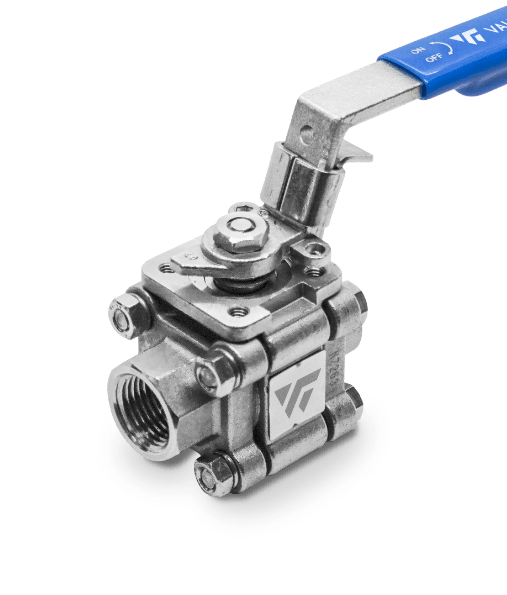
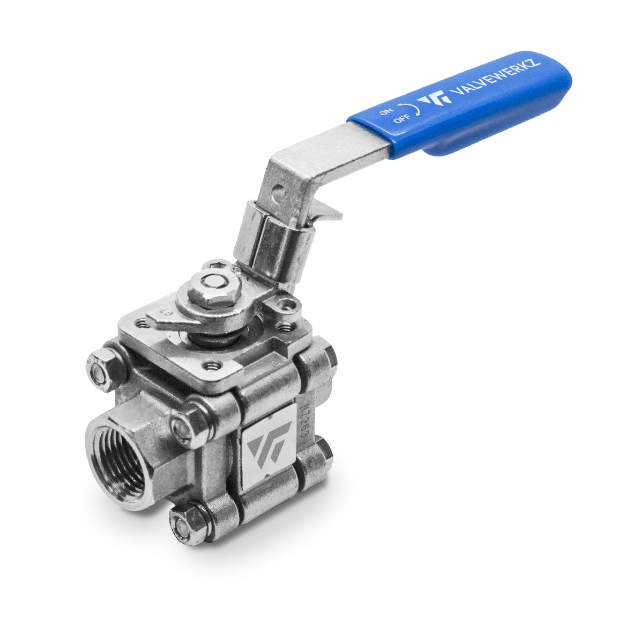
  • Ball Valves (10, 20, 50, 80, 90, 203 Series)
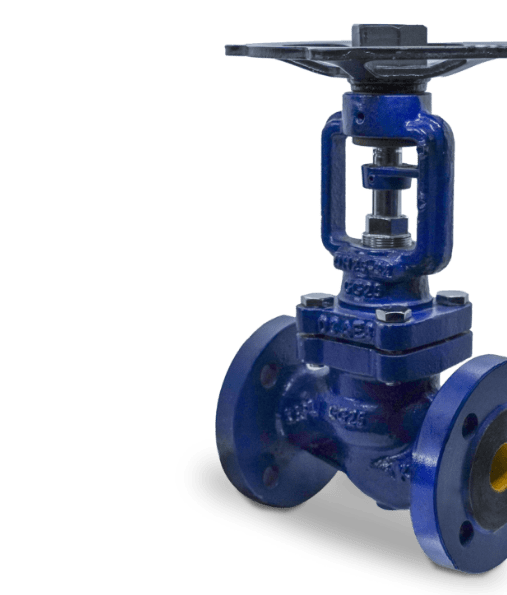
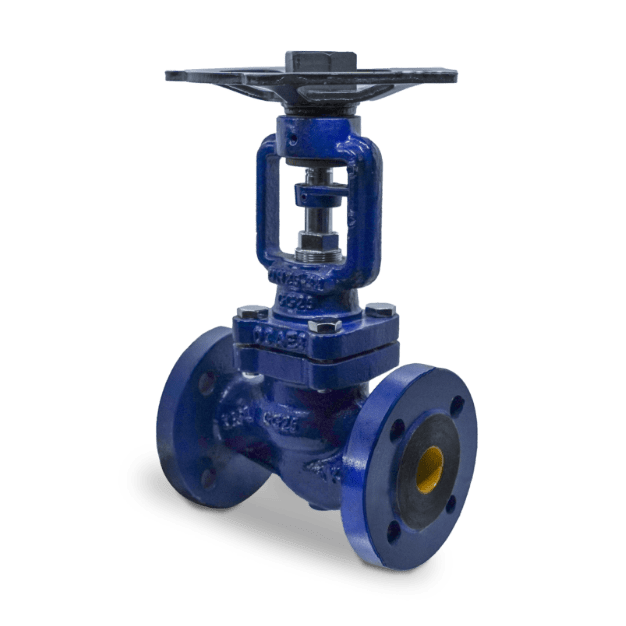
  • Globe Valves (GL25, GL26)
  • Check Valves (DC, SC, DP Series)

Degumming, Neutralisation & Bleaching

Valve materials matched to treatment acids, alkalis, bleaching media and raised process temperatures.

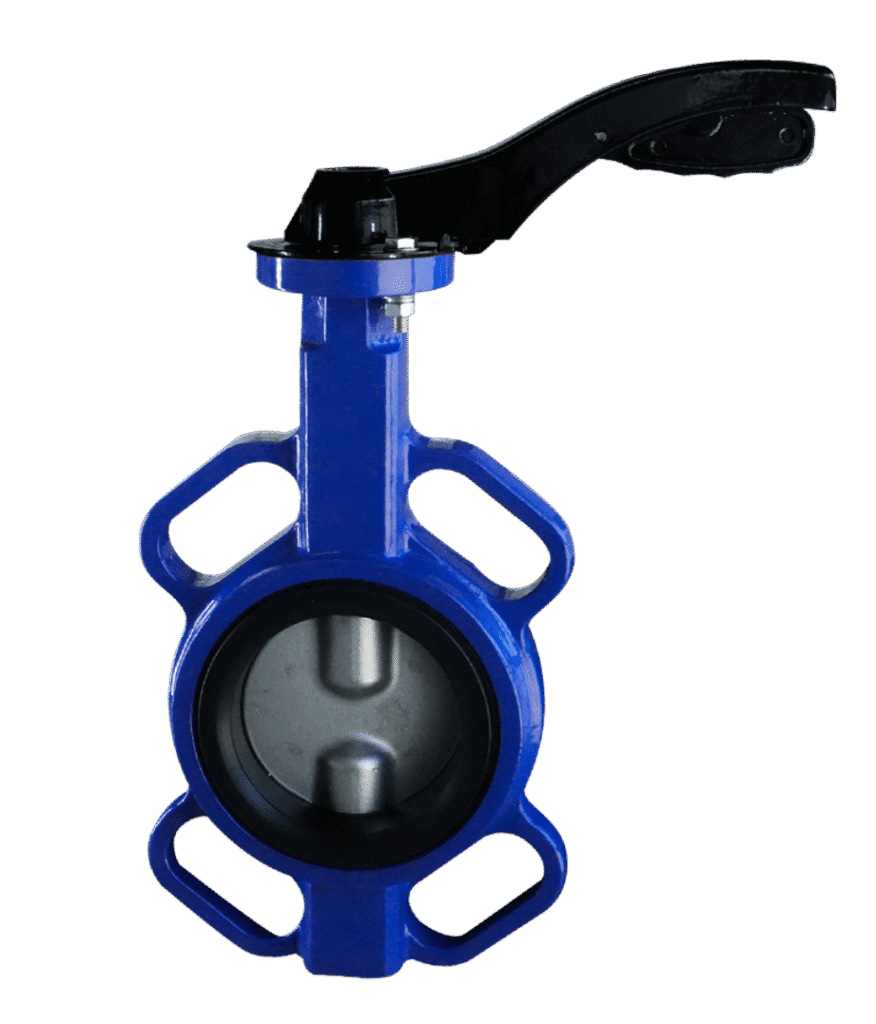
  • Butterfly Valves (BU25, BU26 Series)
  • Globe Valves (GL25, GL26)

Deodorisation & Fractionation Units

Sealing performance under vacuum and high temperature, with reliable condensate removal on stripping steam and heating circuits.

  • Globe Valves (GL25, GL26)
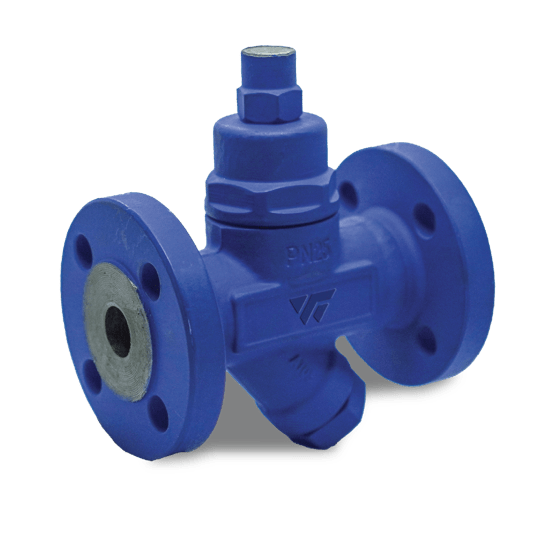
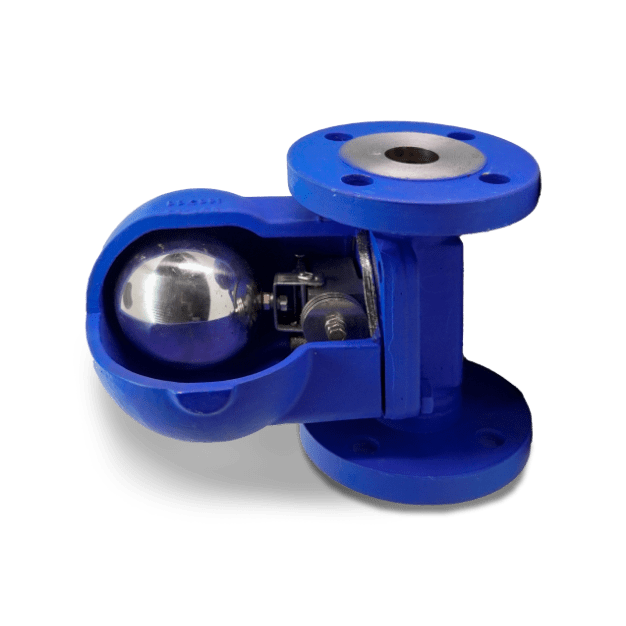
  • Steam Traps (ST60, ST61, ST62)
  • Safety Valves

Cooling Water & Utility Lines

Steady isolation across cooling water circuits, compressed air headers and the supporting services that keep refining assets available.

  • Butterfly Valves (BU25, BU26)
  • Ball Valves (90, 80, 203 Series)
  • Strainers for pump and equipment protection

Built for Refining and Oleochemical Duty in Singapore

What Makes Valvewerkz Different

Our valves cover oil movement, chemical treatment, steam service and utility duty across refineries and oleochemical plants operating in Singapore.

Relevant Products in Other Countries

Valve Solutions for Power Generation in Singapore

Products from the power generation range, covering steam isolation, condensate discharge and cooling water duty across generation assets in Singapore.

Ball Valves

Tight shutoff, low torque, high durability. Ideal for critical on-off control.

Steam Traps

Efficient condensate removal that protects your heat exchange and process systems.

Bellow Seal Globe Valves

Zero stem leakage for safety, purity and process integrity.

Frequently Asked Questions

Discover answers to common questions about valves used in palm oil and oleochemical plants in Singapore.

Which valve is best for crude palm oil transfer in Singapore?

Full-bore ball valves are the standard choice for crude palm oil transfer because the unobstructed bore passes viscous oil, gums and suspended solids without creating a pressure drop or a pocket where fat can set. The risk point is not the running line but the idle one: high-melting fractions such as palm stearin solidify well above Singapore ambient temperature, so valves on intermittently used lines are steam-jacketed or trace-heated to stop the body cavity setting solid between transfers.

Deodorisation typically runs at 230 to 260 degrees Celsius under 2 to 4 mbar absolute vacuum, so valves on deodoriser and stripping steam circuits must seal against high temperature and deep vacuum at the same time. Reinforced PTFE seats are generally limited to around 230 degrees Celsius and are unsuitable here, so metal-seated and graphite-packed valves are used, with bellows seal globe valves specified where a stem leak would break vacuum or draw air into hot oil.

A bellows seal globe valve encloses the stem inside a welded metal bellows, creating a hermetic barrier so process fluid and vapour cannot escape along the stem, with conventional gland packing retained as a secondary seal. In oleochemical service this does two jobs: it holds vacuum integrity on deodoriser and fatty acid distillation circuits, and it removes the packing leak path on hot fatty acid and steam lines where a stem leak is both a fire risk and a product contamination risk.

Type 316 and 316L stainless steel is the working baseline for fatty acid service, with duplex and higher alloy grades used where temperature, chloride content or free fatty acid levels are more aggressive. The corrosion driver is usually chlorides carried in with the crude oil combined with elevated temperature rather than the fatty acid alone, so material selection should be made against an actual crude assay, assessing body, trim, seat and seal materials together rather than the body alone.

Let's Connect

Reach out to explore your needs or request a tailored quote.