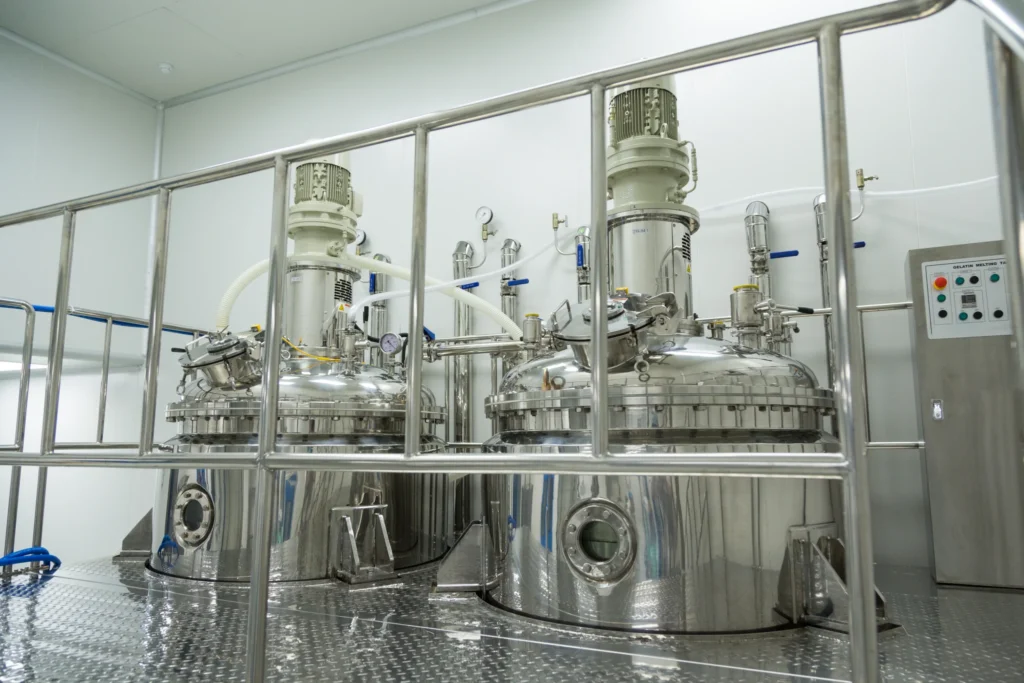
Pharmaceutical & Sanitary Systems Industry in Singapore
What Hygienic Processing Demands in Singapore
Hygienic Valves for Pharmaceutical & Sanitary Systems in Singapore
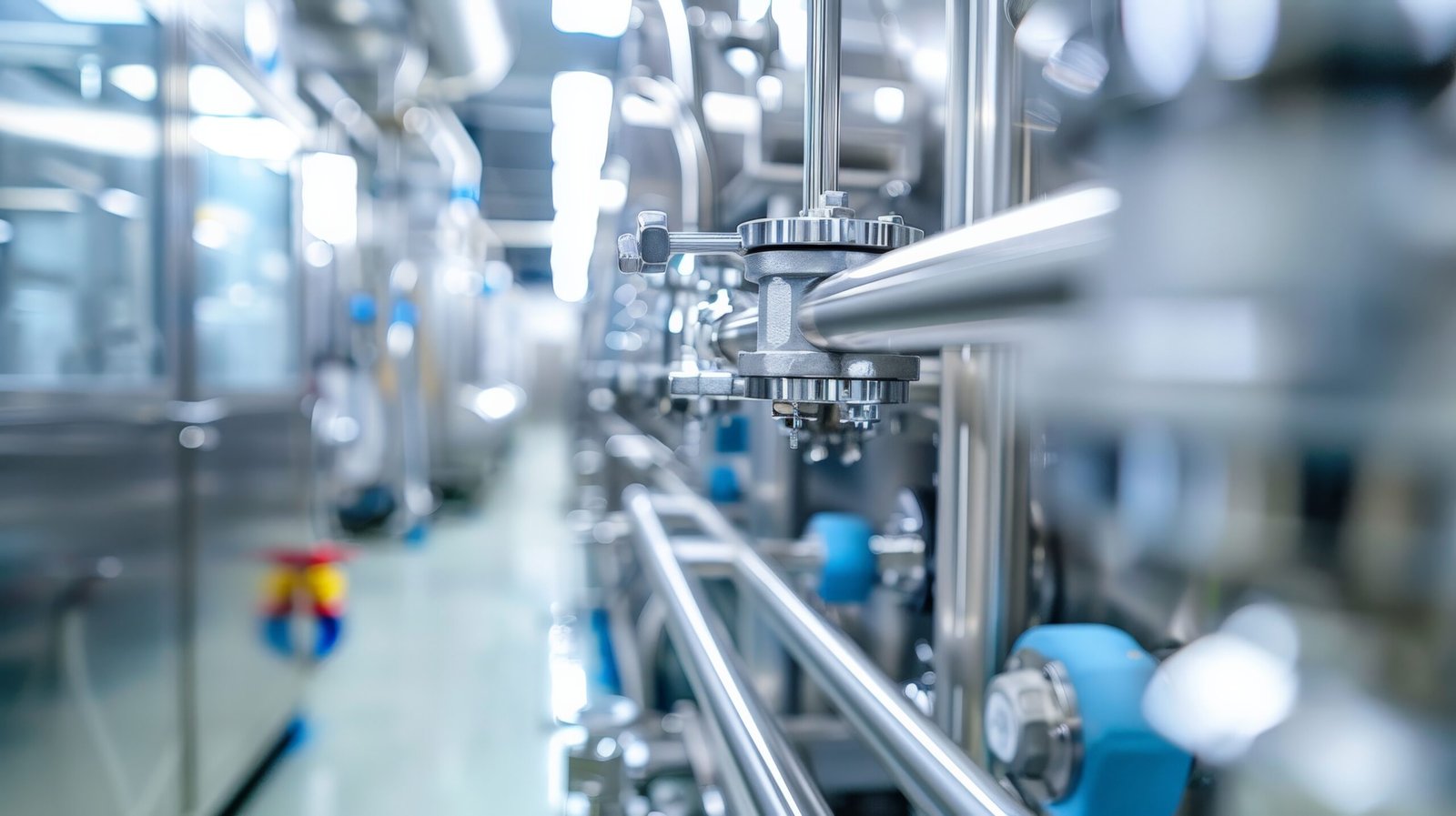
Pharmaceutical, biologics and sanitary production in Singapore is built around close contamination control, documented material traceability and validated cleaning routines. Facilities operating under HSA and PIC/S GMP requirements need flow components with smooth wetted paths, compatible materials and repeatable performance through CIP and SIP cycles. Valvewerkz supplies a sanitary-grade valve range suited to purified water, clean steam and hygienic product handling in these environments.
Clean Utility & Purified Water Systems
Consistent flow control across PW, WFI and clean utility loops where water quality has to be held from generation through to point of use.
- Ball Valves (50, 90, 80, 203 Series)
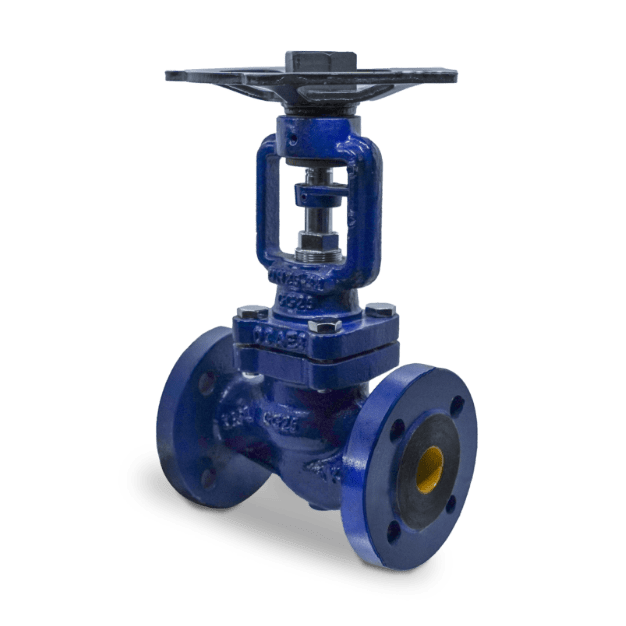
- Globe Valves (GL25, GL26 Series)
- Butterfly Valves (BU25, BU26 Series)
- Check Valves (DC, SC Series)
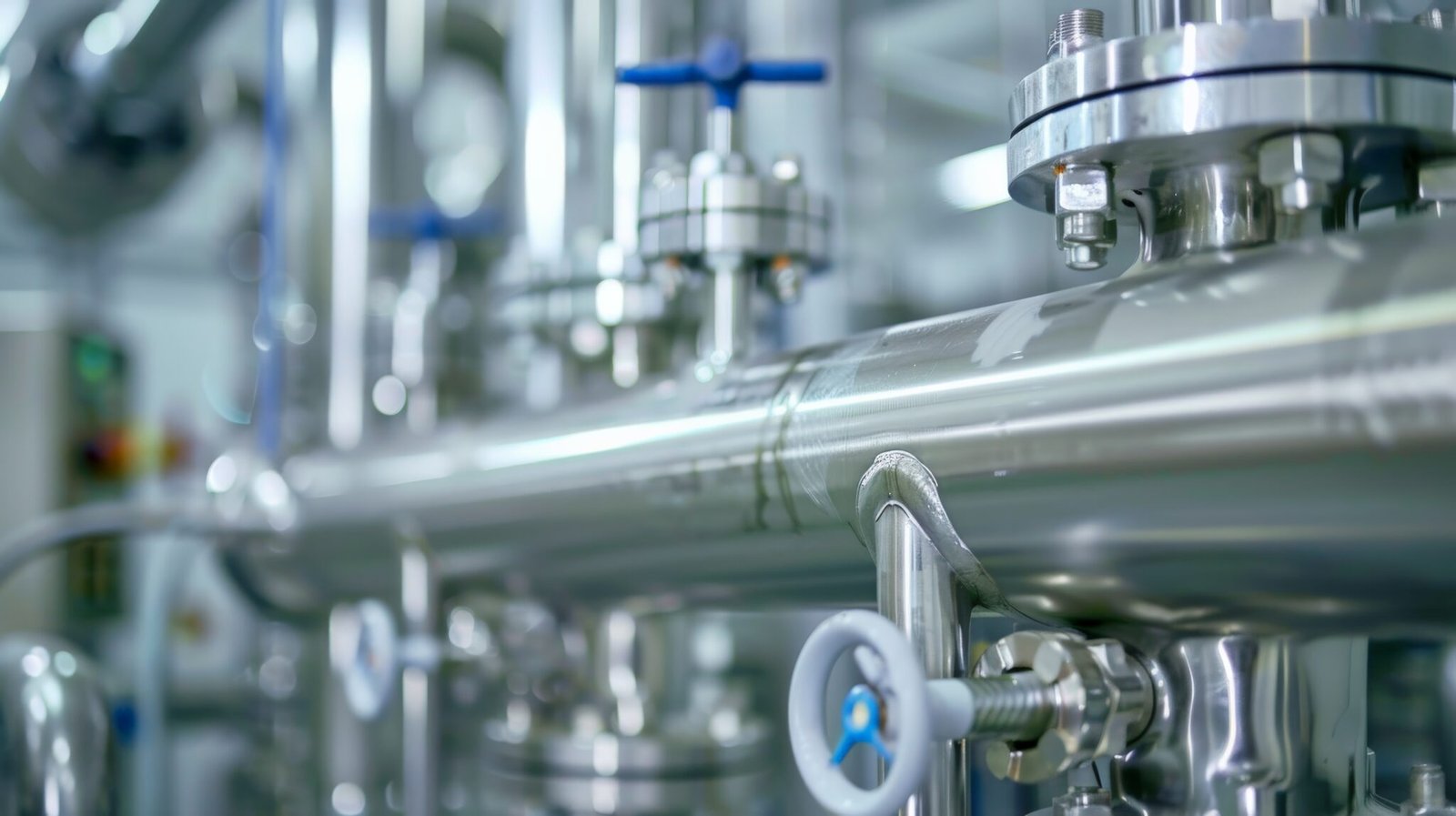
CIP / SIP Distribution Networks
Components suited to repeated chemical cleaning, steam sterilisation and the thermal cycling that comes with validated cleaning routines.
- Ball Valves (50, 90, 80, 203 Series)
- Globe Valves (GL25, GL26 Series)
- Butterfly Valves (BU25, BU26 Series)
- Steam Traps (ST63 Series)
Clean Steam & Condensate Systems
Steam isolation and condensate discharge for autoclaves, sterilisation equipment and clean utility headers.
- Ball Valves (50, 90, 80, 203 Series)
- Steam Traps (ST60, ST61, ST62, ST63 Series)
- Globe Valves (GL25, GL26 Series)
- Safety Relief Valves
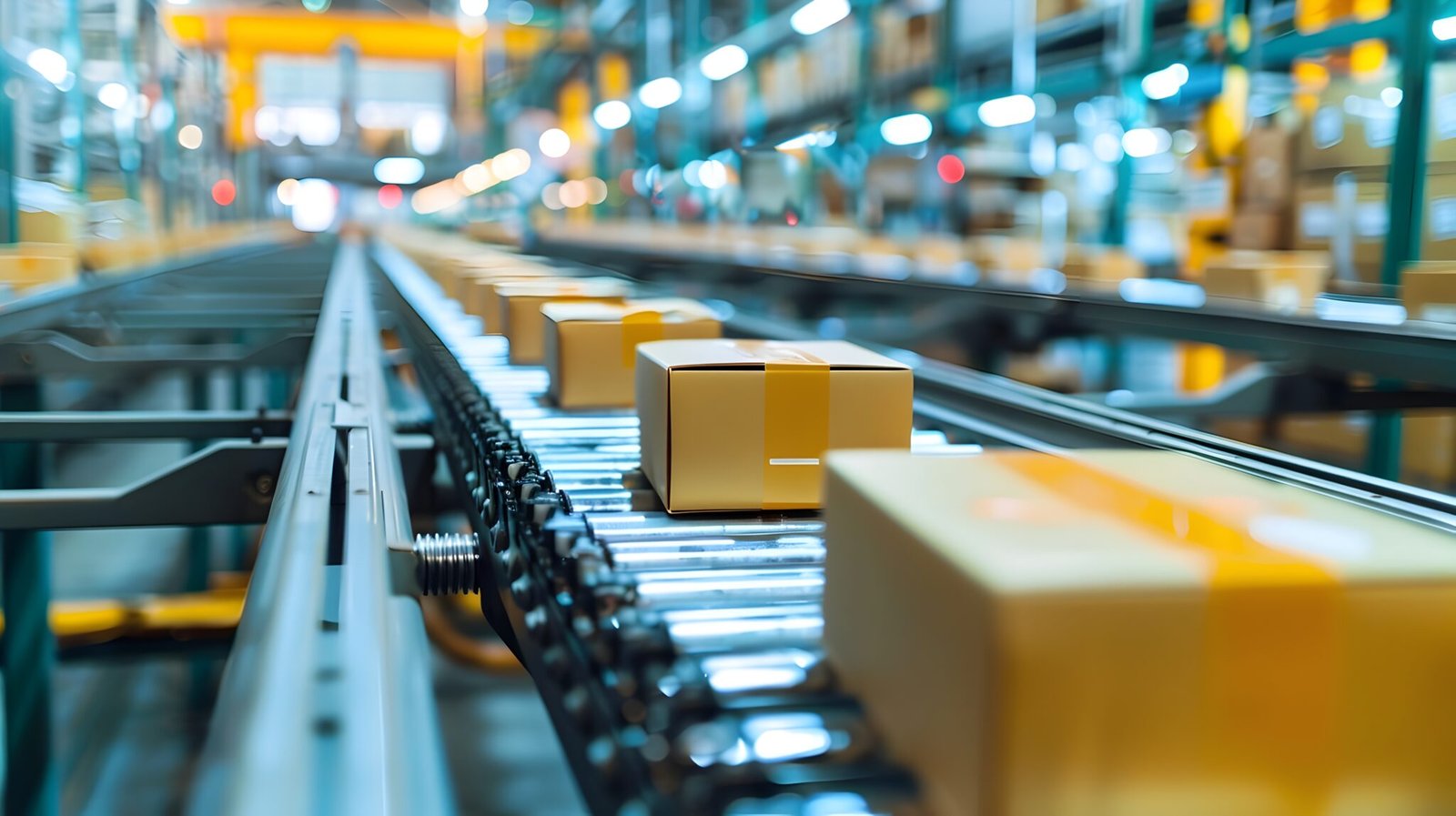
Product Transfer & Process Lines
Controlled handling of intermediates, buffers and finished product across formulation, filling and sanitary processing lines.
- Ball Valves (50, 90, 80, 203 Series)
- Butterfly Valves (BU25, BU26 Series)
- Strainers (Sanitary)
Flow Control for Hygienic and Validated Processes
What Makes Valvewerkz Different
Our valve range is intended to deliver smooth flow, clean operation and repeatable sealing when handling high-purity media and clean steam in hygienic, CIP and SIP controlled facilities in Singapore.
- Hygienic, crevice-free designs engineered for controlled and sterile environments
- Wetted material options meeting FDA, USP Class VI and sanitary-grade requirements
- Repeatable performance through recurring CIP and SIP cycles
- Flow paths designed to limit hold-up, residue retention and particle generation
- Local technical support in Singapore with product availability across the Southeast Asia network
Relevant Products in Other Industries
Valve Solutions for Palm Oil, Fatty Acids & Oleochemicals in Singapore
Products from the palm oil and oleochemical range, covering oil transfer, vacuum service and steam duty across refining operations in Singapore.
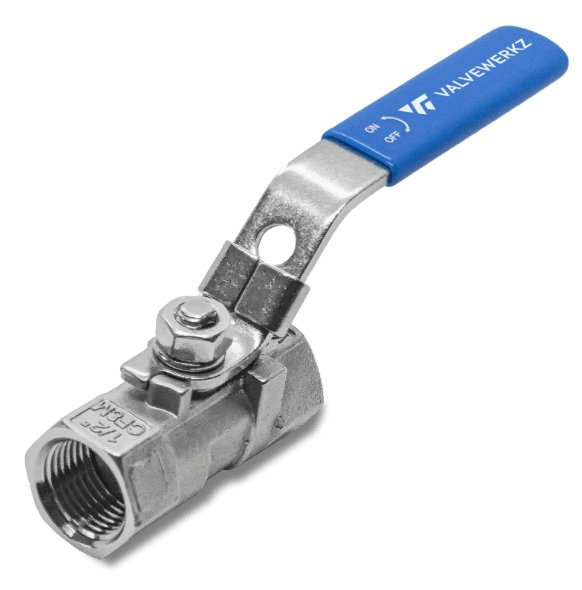
Ball Valves
10 Series
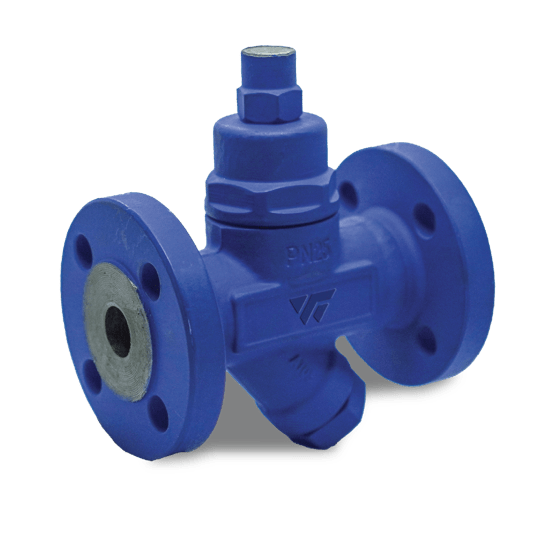
Steam Traps
ST62 Series
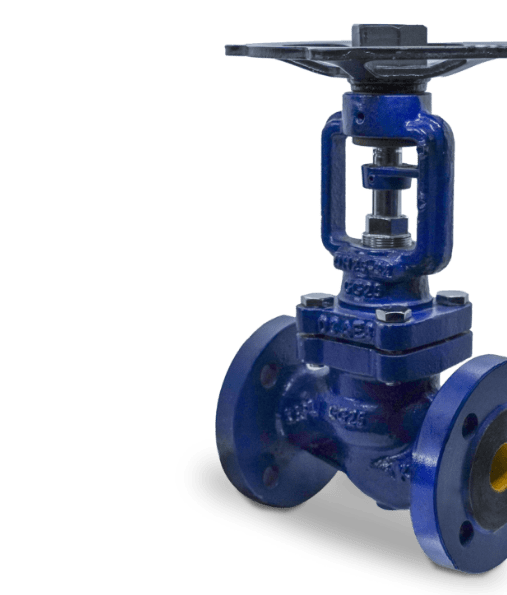
Bellow Seal Globe Valves
GL25 Series
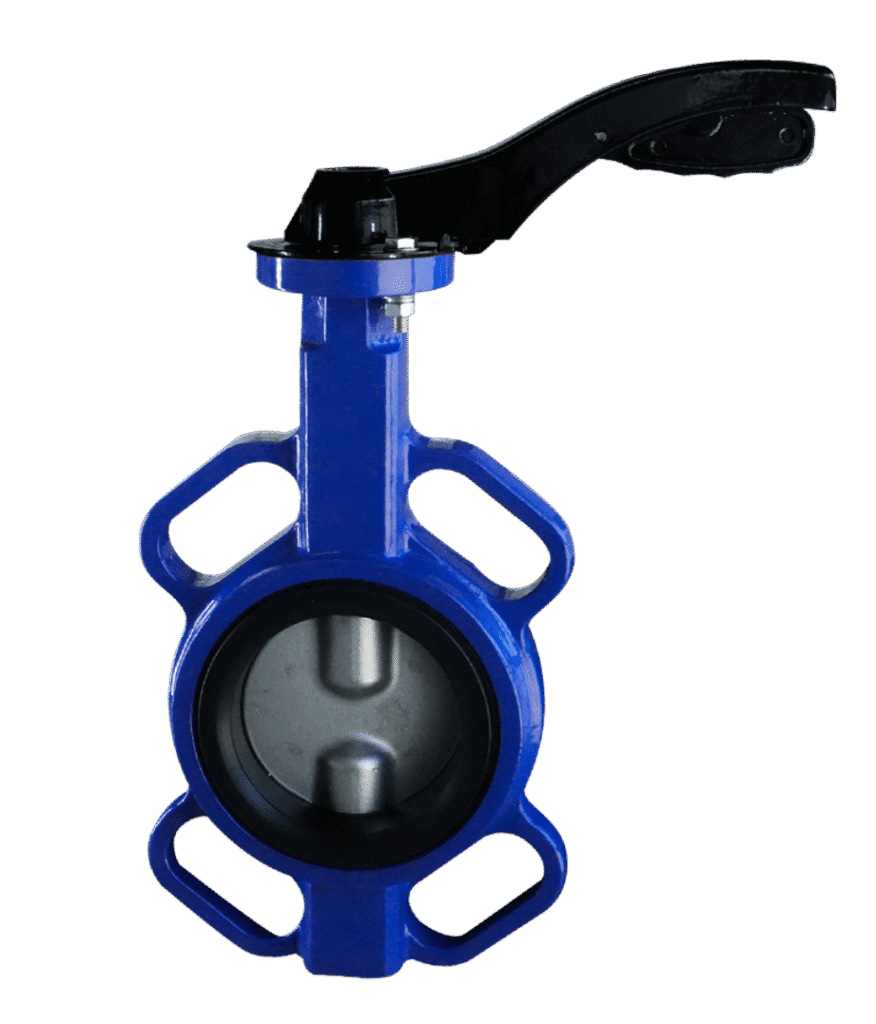
Butterfly Valves
BU25 Series
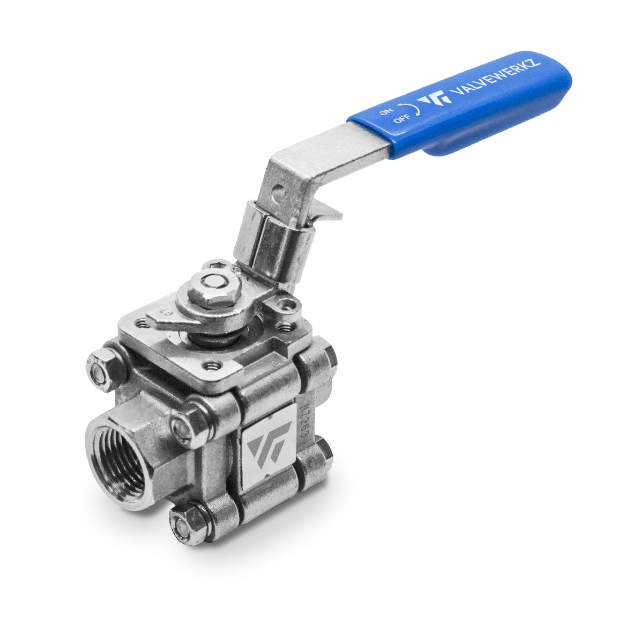
Ball Valves
Tight shutoff, low torque, high durability. Ideal for critical on-off control.
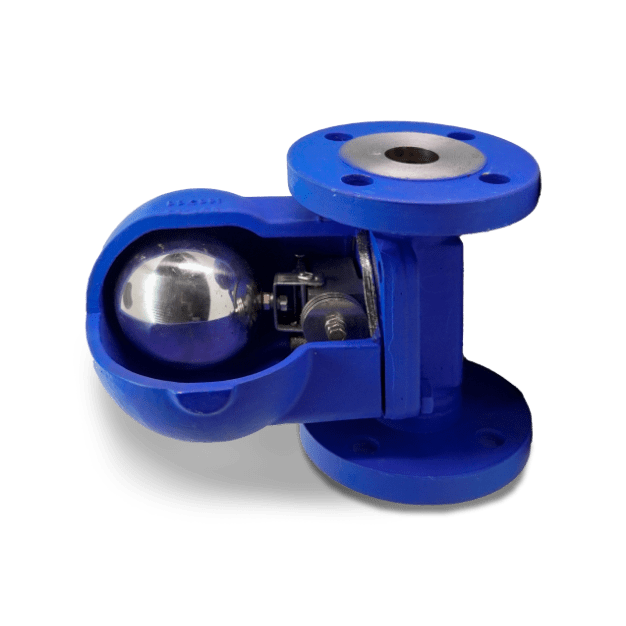
Steam Traps
Efficient condensate removal that protects your heat exchange and process systems.
Frequently Asked Questions
Common questions on hygienic valve selection, cleanability and GMP requirements for pharmaceutical and sanitary facilities in Singapore.
What GMP standard applies to pharmaceutical manufacturing in Singapore?
Singapore’s Health Sciences Authority adopts the PIC/S Guide to Good Manufacturing Practice for Medicinal Products, PE 009, currently version PE 009-17, for licensed manufacturers of therapeutic products, active pharmaceutical ingredients and Chinese proprietary medicines. The revised Annex 1 covering sterile manufacture came into force on 25 August 2023. GMP does not certify valves directly, but it requires equipment to be designed and installed so it can be effectively cleaned, and valve geometry is where that requirement is met or missed.
What causes rouging in WFI systems and how does it affect valves?
Rouging is the formation of iron oxide films on stainless steel in hot high-purity water and clean steam systems, appearing as orange through to black discolouration on wetted surfaces including valve bodies, seats and bonnets. It is well documented in water for injection loops and is managed through electropolished surfaces, correct passivation, controlled water chemistry and periodic derouging, rather than by changing material grade alone.
What is ASME BPE and does it apply to valves?
ASME BPE, the Bioprocessing Equipment standard, governs design, materials, surface finish and joining for equipment in bioprocessing and pharmaceutical service, and it applies directly to valves through its components, materials and surface finish parts. Its surface finish designations set maximum roughness average for process contact surfaces, and it does not accept mechanical buffing as a final polishing finish. New editions are published on a two-year cycle.
What valves are used in pharmaceutical and sanitary systems?
Pharmaceutical and sanitary systems use diaphragm valves on product and high-purity water contact duty, plus sanitary ball valves, butterfly valves, globe valves, check valves, safety relief valves, steam traps and sanitary strainers on clean utilities. Diaphragm valves dominate purified water, water for injection and product lines because no stem penetrates the wetted path and there is no body cavity to trap product, while ball and globe valves are used on clean steam, condensate and non-product utility service.